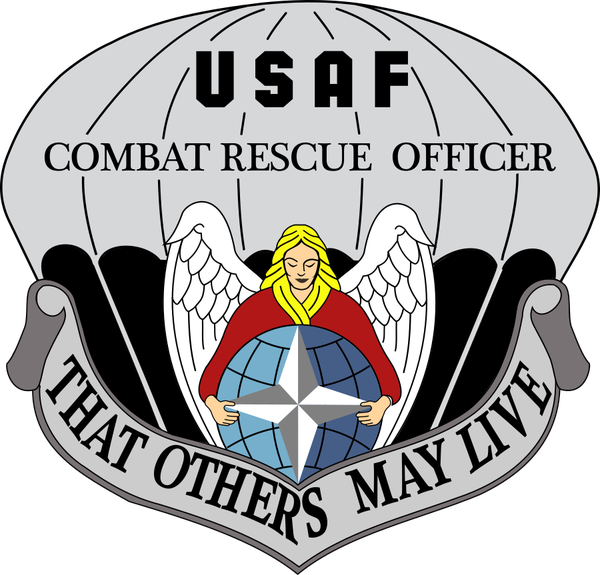
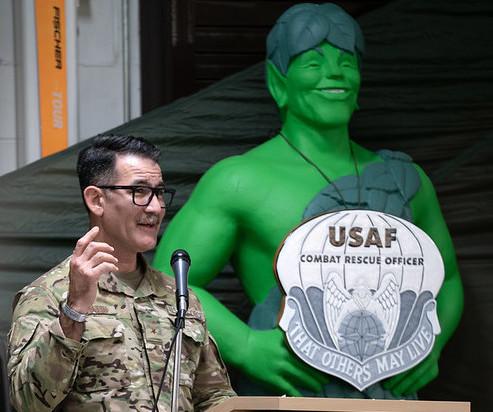
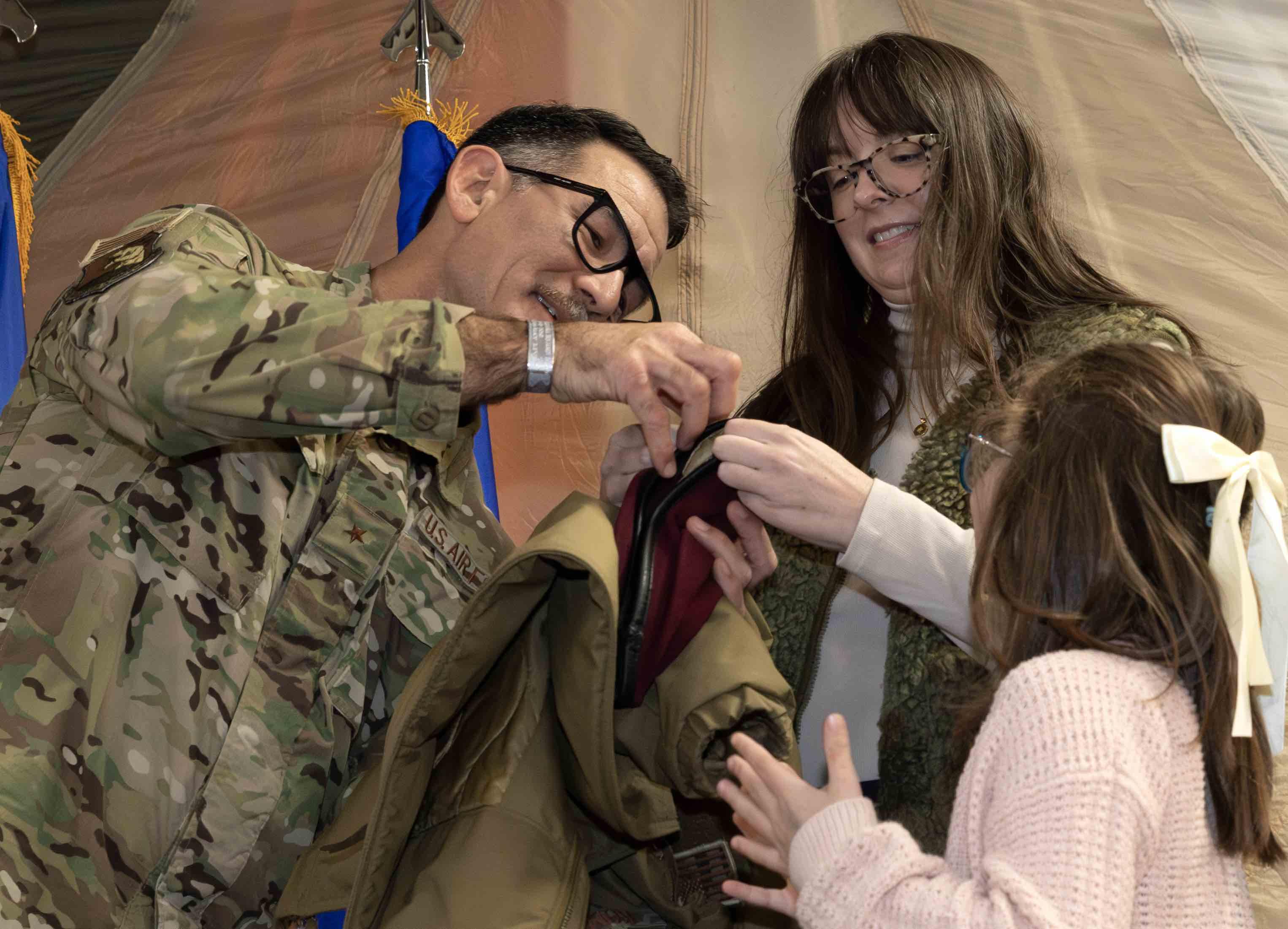
Matthew Komatsu, a Combat Rescue Officer with the Alaska Air National Guard, became the second CRO in the history of the career field to be promoted to the rank of Brigadier General. He will be the Director of the Joint Staff and the Alaskan Command Deputy Commanding General. ALCOM
is the active-duty joint command of America's most northern, arctic-facing forces, including the 11th Airborne Division and fighter units assigned as NORAD interceptors as well as the state's Air National Guard's rescue assets.
Brig. Gen. Jeffrey L. Wilkinson was the first CRO to reach the rank in 2019 in the Kentucky Air National Guard.
Komatsu is the former commander of the 212th Rescue Squadron of the Alaska Air National Guard, the home of Alaska's pararescue team. His promotion ceremony was Nov. 14.
Komatsu graduated from the Air Force Academy in 1999 and began the process of cross-training to become a CRO in 2003, eventually graduating as "CRO #100."
In Alaska, Komatsu led the 212th's elite PJ team into a new, state of the art, fully-stocked section on Joint-Base Elmendorf-Richardson, and deployed three times to Afghanistan. He and other Alaska PJs were in the center of the defense of Camp Bastion from a major Taliban assault in 2012.
He also became a prolific writer in Alaska, about both military issues and his own life story.
If you haven't before, do yourself a favor and take a couple minutes to read some of his work, which has appeared in numerous major national publications.
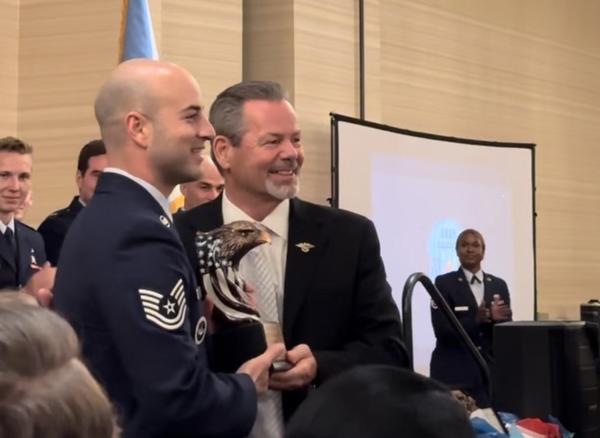
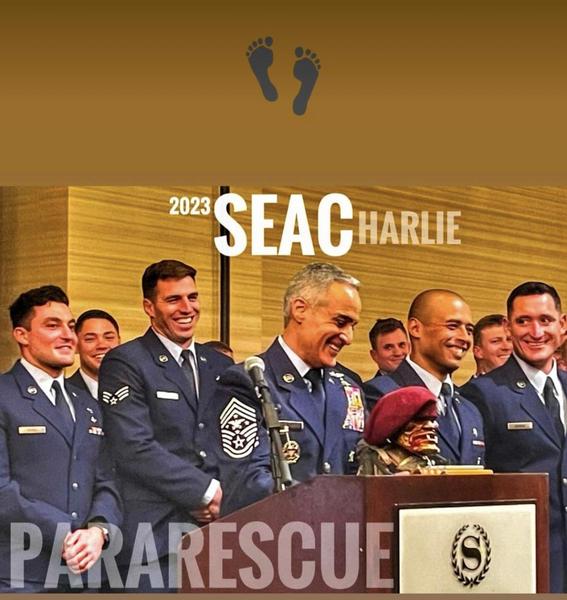
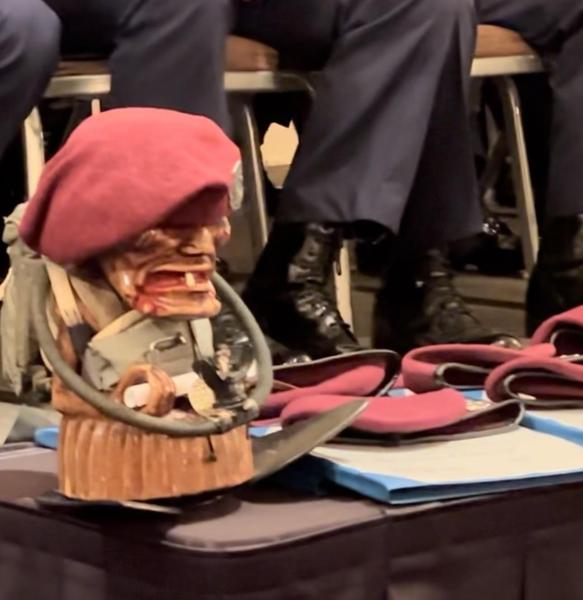
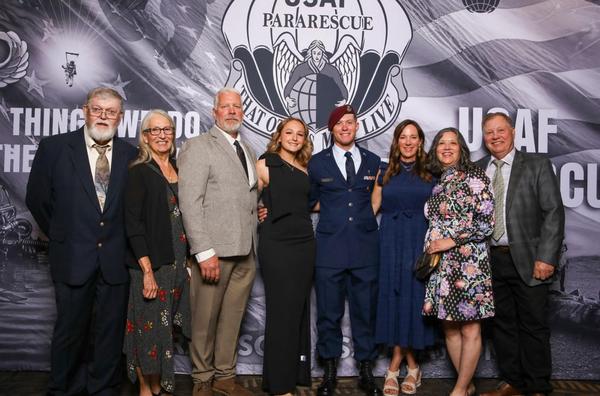
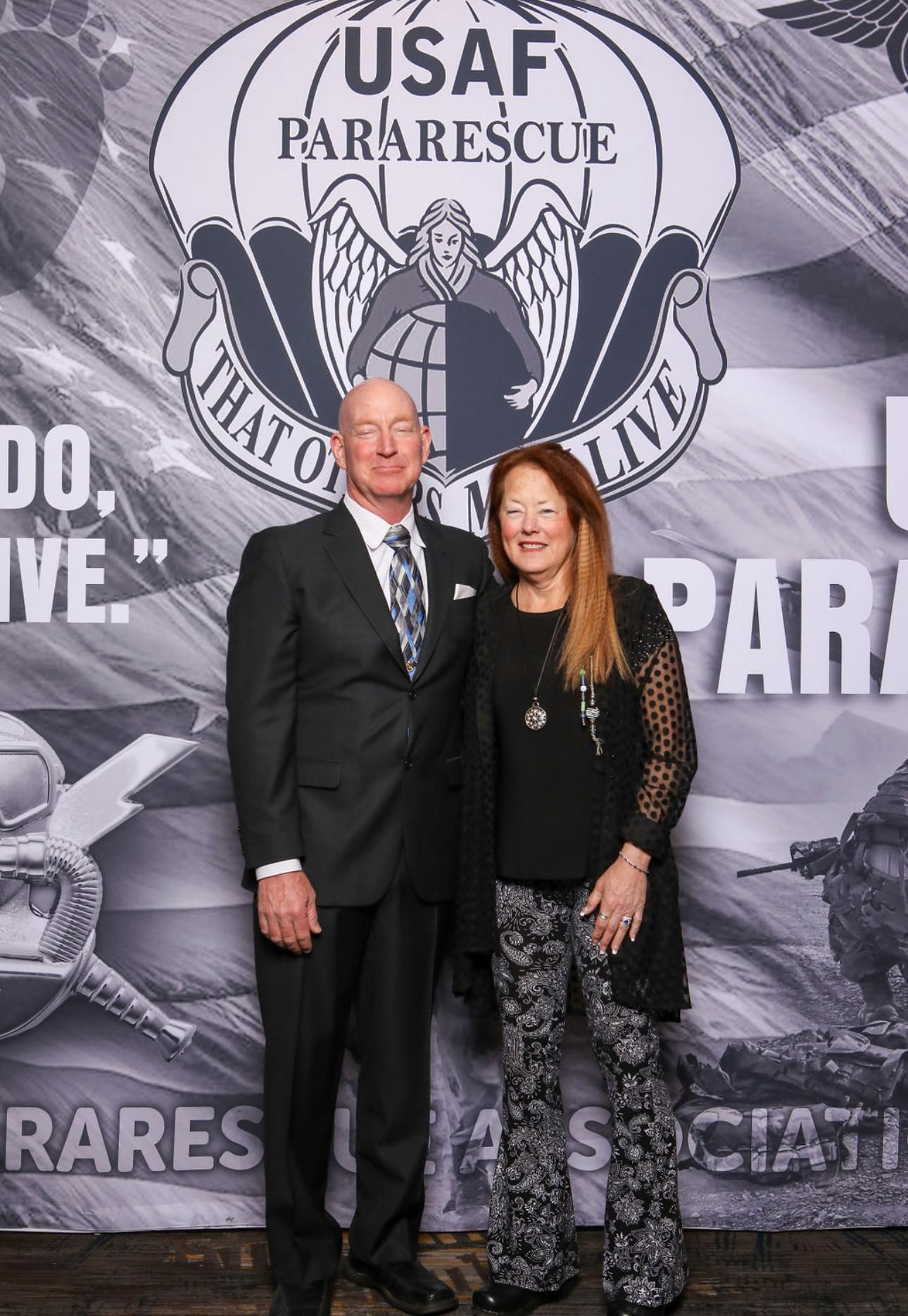
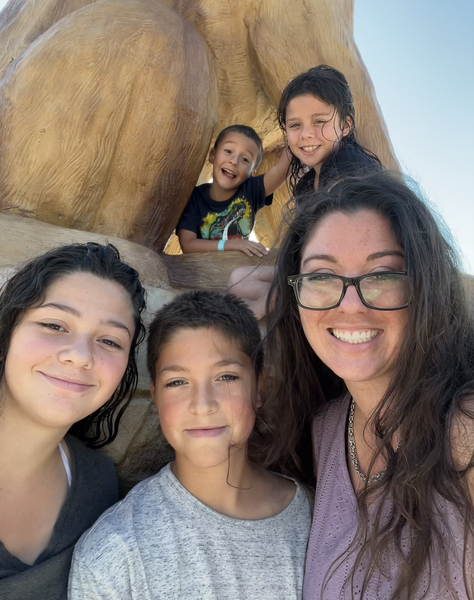
Brig. Gen. Matthew Komatsu gets some help from his family to pin his new star on his beret.
"The Ibex Zepher Wind Boxer Briefs died last winter at the age of 3, leaving behind an unparalleled legacy of service to the male reproductive system. As grape-smugglers go,
their roots were humble yet profound. Born in 2012 from an armload of cruelty-free merino wool donated by a Shireling lamb—and from the necessity of frostbite-proofing one’s junk from head-on polar gusts—the Zepher Wind quickly became the environmental chastity belt of comfortable manties."
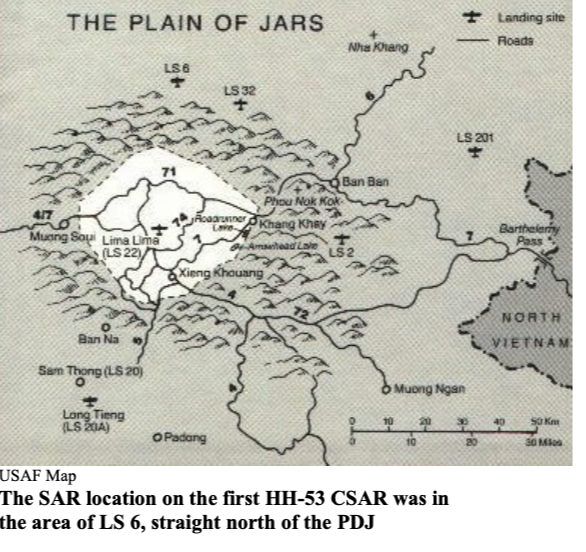
On the morning of December 5, 1969, two U.S. Air Force F-4C Phantom jets, call signs Boxer 21 & 22 were ordered to a target on the Vietnam/Laos border. After a briefing by the FAC on station, the Phantoms began their runs. Boxer 21 made the first run successfully. Boxer 22 followed, but at the bottom of
the dive, after releasing ordnance, the aircraft was hit by ground fire causing the pilot and the navigator to eject. The FAC confirmed that two good chutes had been seen. Search and rescue operations began immediately. The Phantom crewmen landed on either side of a river. At 11:20 AM, a flight of USAF Douglas A-1 Skyraiders carrying antipersonnel ordnance arrived on scene. The first step of the rescue operation was suppression of the ground fire. There was heavy antiaircraft fire from both
sides of the river, including a 37mm anti-aircraft gun located in a cave at the foot of a karst 300 yards directly behind the downed navigator. Intense groundfire during the afternoon drove off all helicopters attempting rescue the stranded aviators. An HH-53E Jolly Green Giant sustained multiple hits to the fuselage and rotor system. A Pararescueman, tail gunner A1C David M. Davison, was wounded in the head while firing suppressive bursts from his gun position on the rear ramp of the
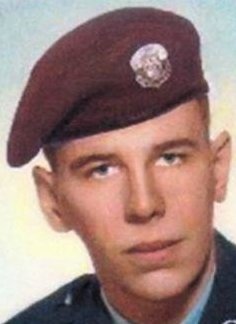
helicopter. He died enroute to Nakhon Phanom Royal Thai Air Base. Davison was posthumously awarded the Silver Star. Later that day, Major Benjamin F. Danielson, pilot of the Boxer 22, was killed before he could be rescued. His back-seater, Lieutenant Woodrow Bergeron was rescued.
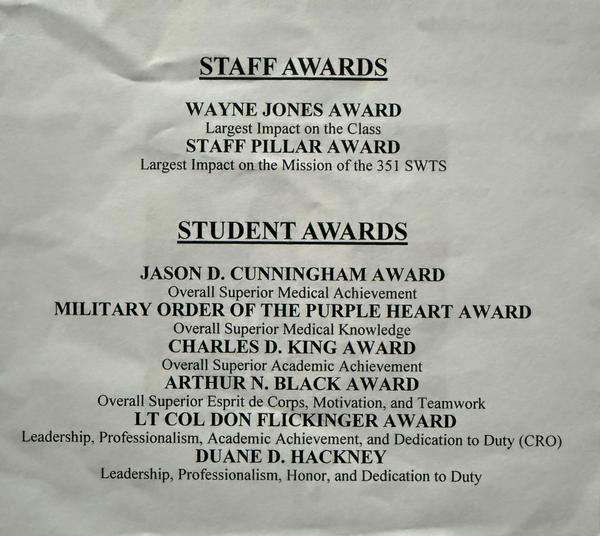
On Christmas Eve, 1968, an F-105D aircraft was shot down over Laos near the Ban Karai Pass. On Christmas Day, A1C Charles D. “Doug” King volunteered to be aboard an HH-3E helicopter leaving Nakhon Phanom Air Base to rescue Major Brownlee. The helicopter located the pilot, believed to be dead by then. Airman King was lowered 100 feet into the jungle to the ground. Once on the ground, King
freed Brownlee from his parachute, secured him to the rescue device and dragged him to a point near the hovering helicopter. Suddenly, enemy soldiers closed in and began firing. King radioed that he was under fire and for the helicopter to pull away. No news surfaced about King until February 1986, when a Lao refugee came to the United States and reported that he had witnessed King's capture, and watched as he was taken away in a truck. The refugee's story matched most details of King's loss
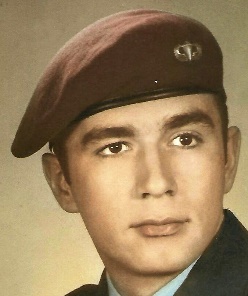
incident. During the period he was maintained as Missing in Action, Charles D. King was promoted through all the ranks to Chief Master Sergeant.
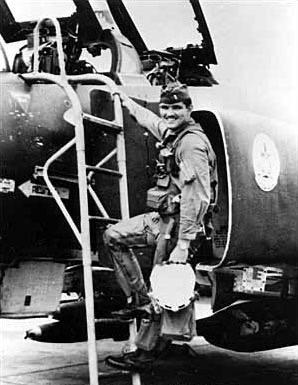
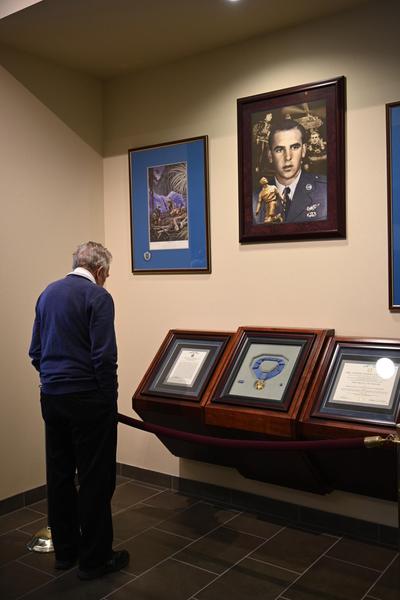
Lance Peter Sijan (April 13, 1942 – January 22, 1968) was a United States Air Forceofficer and fighter pilot. On March 4, 1976, he posthumously received the Medal of Honor, the United States' highest military award, for his selflessness and courage in the face of lethal danger.
On the night of November 9, 1967, for his 52nd combat mission, Sijan and pilot Lieutenant Colonel John Armstrong were tasked with a bombing mission to Ban Laboy Ford in Laos.[4] As they rolled in on their target to release their ordnance, their F-4C (AF Ser. No. 64-0751) was engulfed in a ball of fire due to the bomb fuses malfunctioning and causing a premature detonation on their release. Sijan managed to eject from the
aircraft, and although likely rendered unconscious in the ejection, his parachute landed him on a rocky limestone karst ridge adjacent to the target.
From the
night of 9/10 November to the morning of 11 November, no electronic or radio signals were heard from either Sijan or Armstrong. However, early on the morning of 11 November, Sijan made radio contact with a Misty FACF-100F aircraft that was flying over his crash site. For the duration of that day, the USAF launched a massive effort to locate his position, and 'soften up' the numerous enemy air defences in his area. At dusk, the SARforces were finally able to position a CH-3 Jolly Green Giant helicopter near Sijan's position. During this overall rescue operation, over 20 aircraft were damaged by anti-aircraft fire, and many had to return to base. One A-1H aircraft was shot down, though its pilot was soon rescued by a SAR helicopter on station. Sijan, refusing to put other airmen in
danger, insisted on trying to crawl to a jungle penetrator lowered by the helicopter, and he opposed the helicopter's Para-Jumper (PJ) coming down to find and rescue him. The helicopter crew could not see him in the heavy jungle, and as a result did not deploy the PJ to find and rescue Sijan. After the Jolly Green hovered for 33 minutes, and upon hearing no further radio transmissions from Sijan, the on-scene SAR commander (flying in an A-1H aircraft) suspected a trap, and thus ordered the Jolly
Green and the entire SAR armada to withdraw. Search efforts continued the very next morning, but they were called off when no further radio contact was made with Sijan. He was then listed in a MIA casualty status.
During his violent ejection and very rough parachute landing on the karst ridge, Sijan had suffered a fractured skull, a mangled right hand, and a compound fracture of the left leg. He was without food, with very little water, and no survival kit; nevertheless, he evaded enemy forces for 46 days. During this entire period, Sijan was only able to move by sliding on his buttocks and back along the rocky limestone ridge and later along the jungle floor. After managing to
move several thousand feet, Sijan crawled onto a truck road along the Ho Chi Minh Trail, where he was finally captured by the North Vietnamese on Christmas Day, 1967. Very emaciated and in poor health, Sijan was imprisoned in a People's Army of Vietnam camp. Soon thereafter, he managed to incapacitate a guard and escape into the jungle, but was recaptured several hours later.
Sijan was transported to a holding compound in Vinh, North Vietnam, where he was placed in the care of two other recently captured USAF POWs, Major Robert R. Craner and Captain Guy Gruters. Although in terrific pain from his severe wounds and brutal beatings and torture from his captors, Sijan had not disclosed any information other than what the Geneva Convention guidelines allowed (name, date of birth, service, rank, and service number).
Suffering terribly from exhaustion, malnutrition, and disease, he was soon transported to Hanoi, under the attentive care of both Craner and Gruters. However, in his weakened state, he contracted pneumonia and died in Hỏa Lò
Prison (better known as the "Hanoi Hilton") on January 22, 1968.[3]
Four brave men left Da Nang on that fateful night: only one returned. Captain Ralph Brower, SSgt Eugene Clay and Sgt Larry Maysey were all posthumously awarded the Air Force Cross. It was the hardest way to earn a medal. They paid for it with their lives. Captain Gerald Young was
awarded the Medal of Honor. He would have unhesitantly tradedit and his life for those of his crew. However, fate had destined another endin
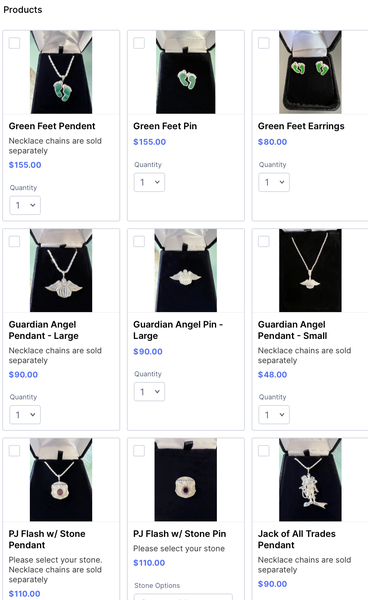
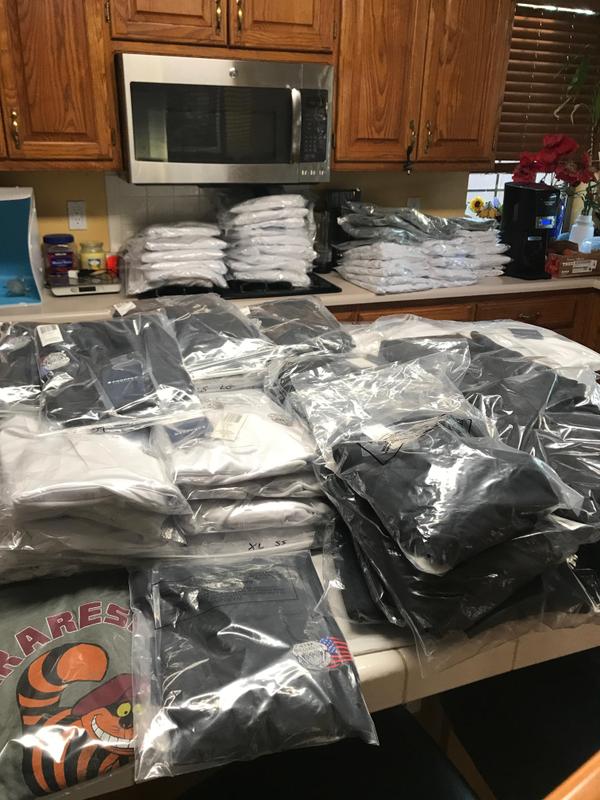
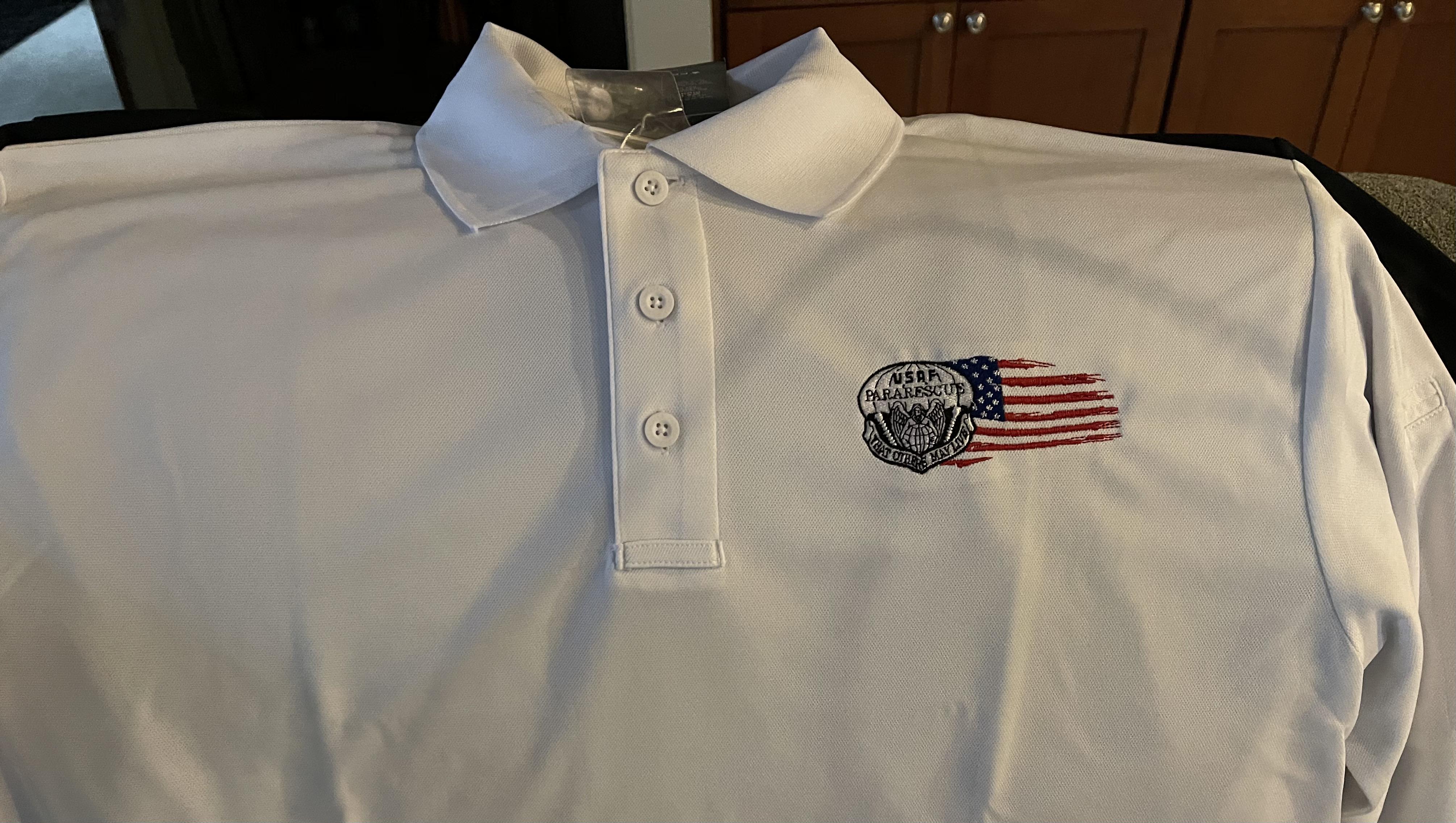
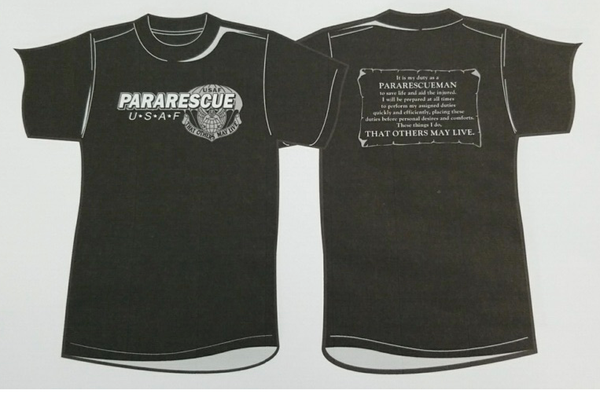
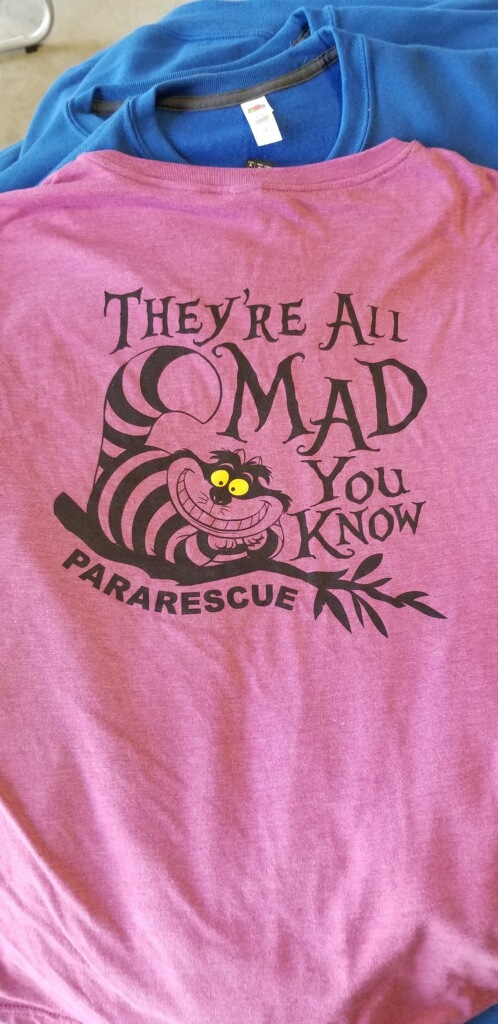
Support your PJA, get your spouse her Bling today, Don't wait until the last minute to do your Christmas Shopping, NO last minute shipping please, no Shipping after Dec 7th.
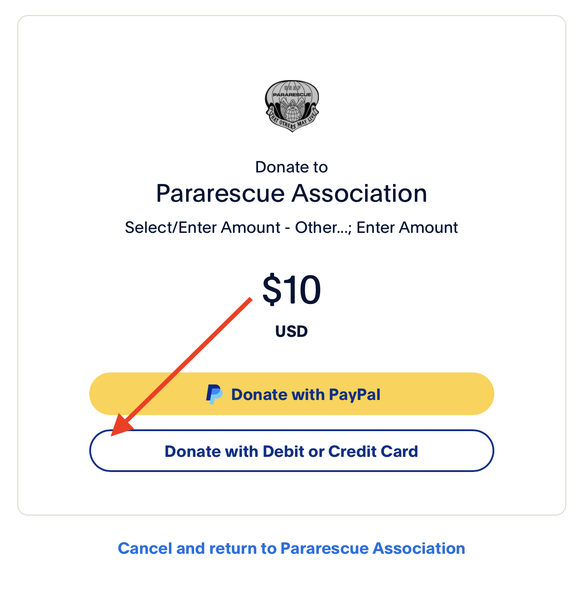
This link will take you to our payment gateway, you do not have to have PayPal, make sure you select the Credit Card tab.
Individual Donors - $100 and above
Sam Lantow
$2500.00
Daniel Rodriquez $1000.00
John Voinche $750.00
Brian Hicks $450.00
Dan Hodler
$240.00
Doug Horka $250.00
COL Jay Lane
$100.00
Edward/Terri Sims $100.00
LD / Kelly Jeffries $100.00
Jo Anne Britt - $100.00
Clegie Chambers
$100.00
Wayne Fisk $250.00
Craig Teeters
$150.00
Curtise/Carolyn $100.00
Herrin
Corporate Donors Level $250 and above;
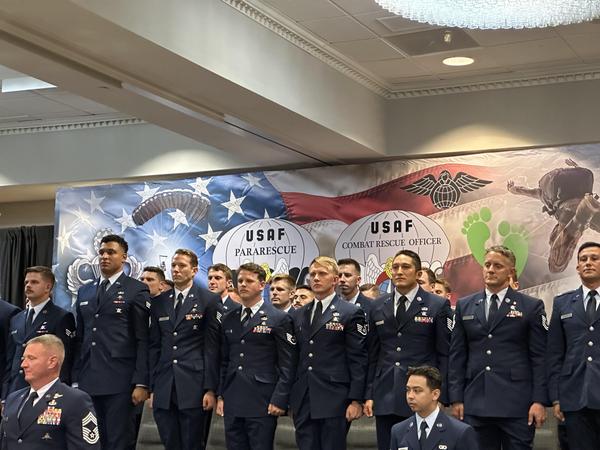
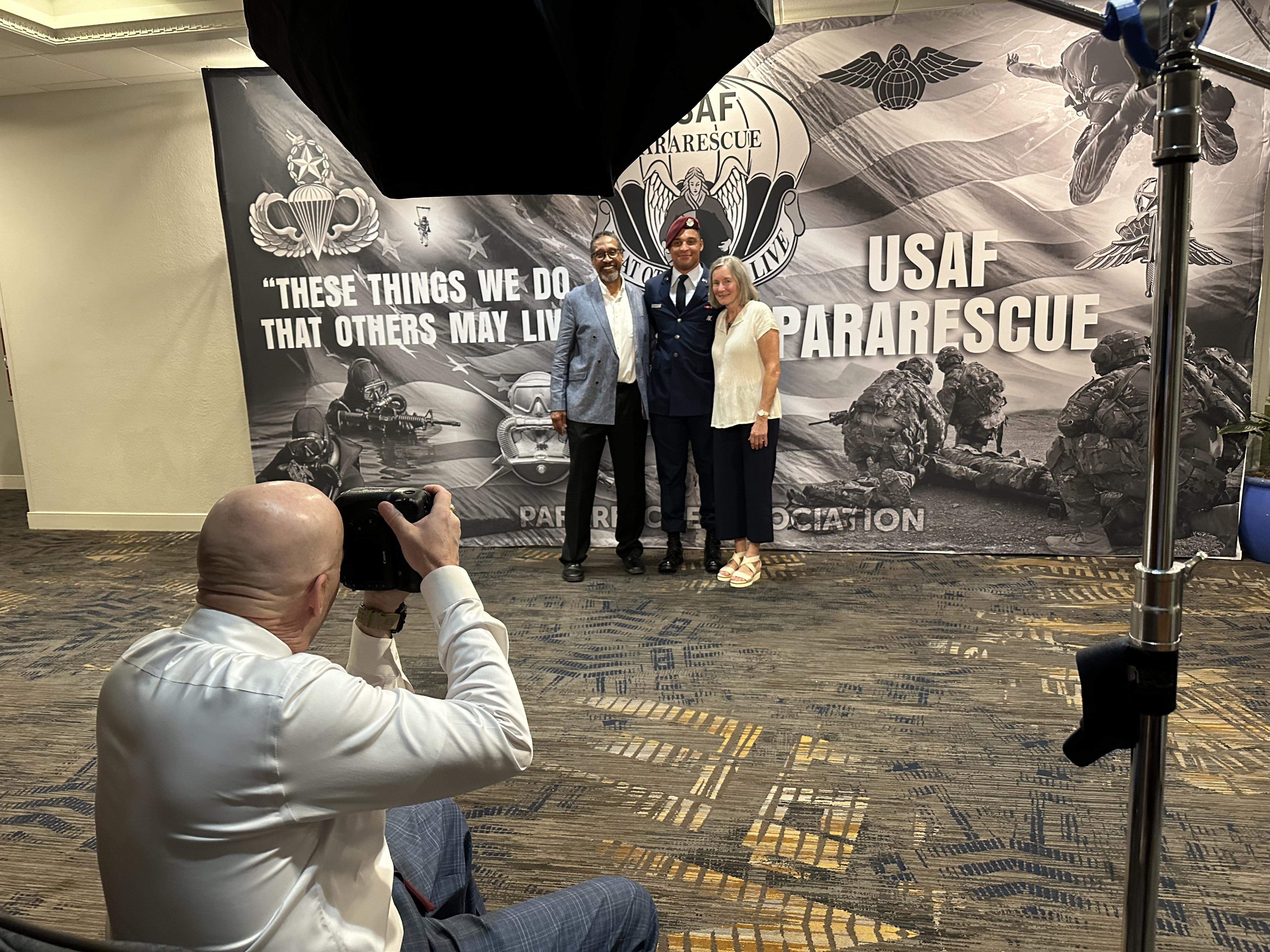
"I can't begin to express how much it meant to my family to be included in this recent graduation. It felt like coming home and truly filled my cup to the brim. Walking the halls of the schoolhouse is an
experience my kids will never forget. What an honor it was to witness that pivotal moment in the new graduates’ lives, as they were welcomed into the Pararescue family."
"You’ll hear it said, and it may take time to fully sink in: this community is here for you — in both good times and bad. Don’t ever lose sight of that."
Keep your eyes on the Pararescue Association Store, the only place that really supports your Organization, we don't have to say we make a donation to... we are the Pararescue Association !!!
Coping and using this information without the express written permission of the PJA is prohibited. Help protect our information those doing news letters for personal gains. The PJA is the managing Organization for Pararescue History. We do not sell or give your
information to anyone.
Pararescue Association Officers: Oct 2021 - 2027
• President - Bill Watson
• Vice Pres - Steve West
• Treasurer - Ryan Beckmann •
Secretary - Scott Gearen
Association Board Member
Oct 2021 - 2027
• Ron Thompson • Bob Lapointe • L.D. Jeffries • Scott Fales
Past Association Presidents: • Roy Taylor • Randy
Galloway